



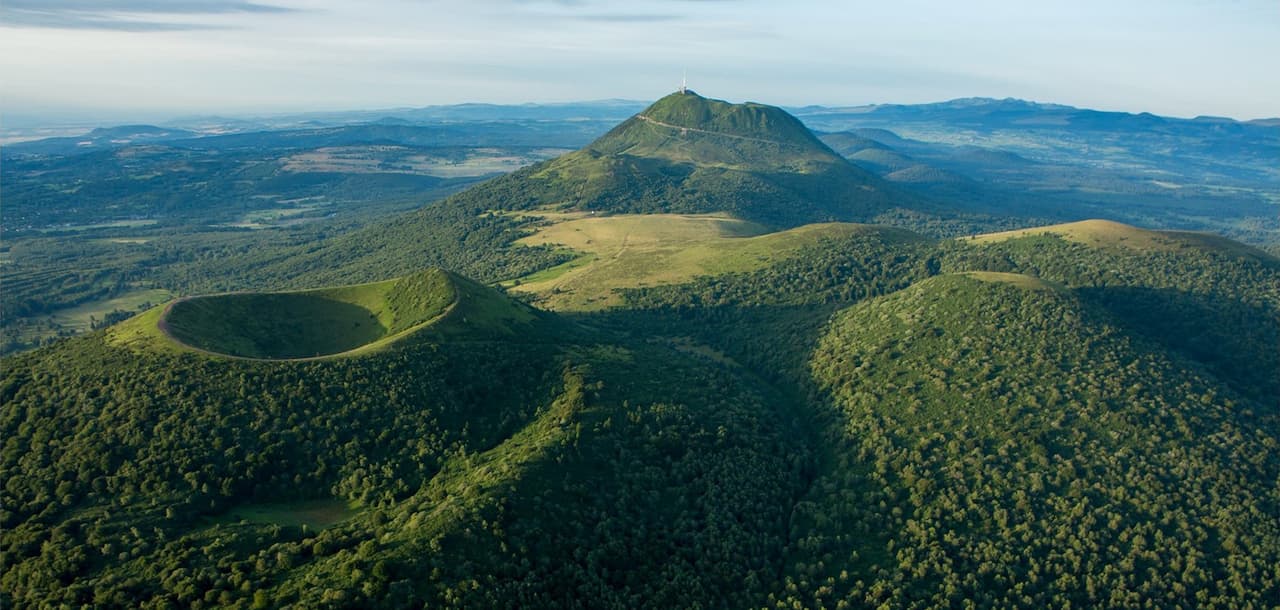
A strong support to local management of natural mineral water resource and area
When we are on “Environment and biodiversity” or “Agricultural practices” or “Sustainable management”, the “Source Protection” button disappears.
The Volvic impluvium is located within the “Chaîne des Puys – Limagne Fault” geological area, inscribed on the UNESCO World Heritage List since 2018.
Volvic works with local stakeholders to help protect the natural mineral water resource and to support biodiversity-related initiatives within the impluvium area, in accordance with its source protection strategy.
A BALANCE TO BE RESPECTED: THE ROLE OF HYDROGEOLOGISTS
Volvic relies on a team of hydrogeologists to monitor the water resource and support its management. Their work helps improve understanding of the aquifer's characteristics and informs decisions regarding water withdrawals and resource protection. This approach is intended to support the long-term preservation of the quantity and quality of the natural mineral water resource.
1. THE ENVIRONMENTAL COMMITTEE FOR THE PROTECTION OF THE VOLVIC CATCHMENT AREA (CEPIV)
Co-created by Société des Eaux de Volvic in 2006, the environmental committee for the protection of the Volvic impluvium (CEPIV) is a public-private partnership with the 4 local communities of the catchment area.
The committee supports initiatives relating to resource protection and local development within the territory.
The mission of CEPIV focuses on three areas:
Supporting an agricultural sector that protects water resources
Preserving natural areas and biodiversity
Promoting sustainable territorial development
I. PRESERVE THE NATURAL ENVIRONMENT AND BIODIVERSITY
Since its creation, the CEPIV has taken concrete actions to preserve these extraordinary resources by establishing partnership with local NGOs that work on preserving the rich biodiversity on the catchment area as well as the waterways.
The volvic catchment area (38km2), which is 60% forests and around 30% agricultural area, hosts unique ecosystems and is an important source of biodiversity that the cepiv aims to preserve in collaboration with the national forest office (onf) and the conservatory of natural spaces of auvergne (cena).
In 2015, in partnership with the auvergne region, Volvic has made 30 hectares of forest available for a regional protected area, the Cheires and Caves, that are part of the auvergne volcanoes regional nature park for a 10-year period. The territory of this regional nature reserve is home to 13 species of bats, and also rare species such as the forest cat, the woodpecker and the spotted salamander. Its contrasting landscapes are popular among residents, associations, as well as visitors and sportsmen from the region and beyond.
In addition, through three longstanding local partnerships, Volvic has being engaged to preserve biodiversity with specialized organizations, such as the conservatory of natural areas of auvergne (CEN auvergne), Beeodiversity and the French league for the Protection of Birds (LPO).
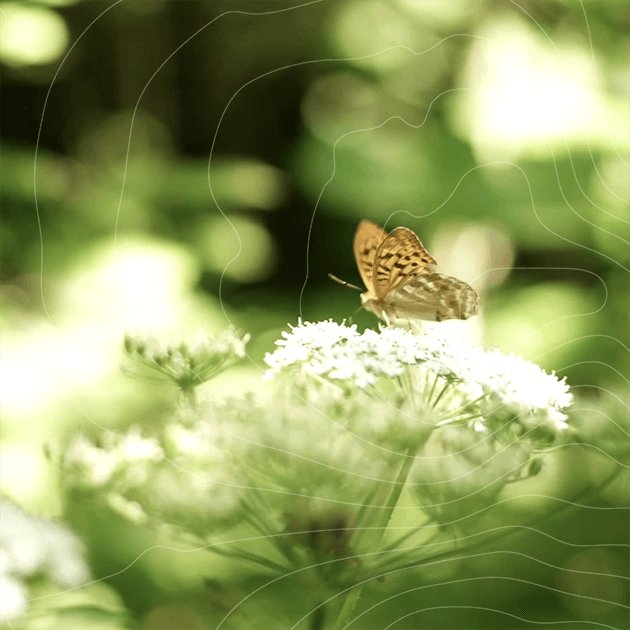
Alcon blue butterfly protection
In 2012, Volvic partnered up with the conservatory of natural areas of Auvergne (CEN Auvergne). Since then, volvic has given an area to measure the presence of the butterfly Phengaris alcon, also known as the Alcon blue or Alcon large blue.
Additionally, on a yearly basis, Volvic organizes the “eco-chantiers” initiative, in which Volvic’s bottling site employees clean the impluvium area to protect the biodiversity, including the butterfly’s protected area to ensure a long-term health of their ecosystem.
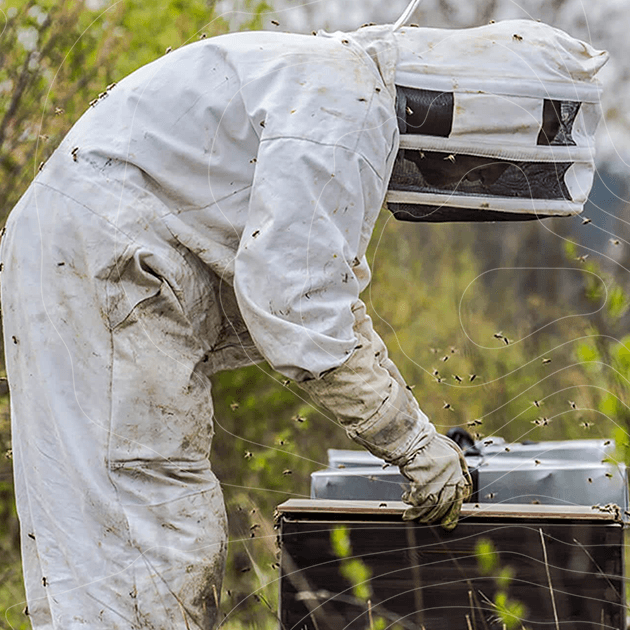
Bees and flora biodiversity protection
Since 2016 in partnership with Belgian NGO Beeodiversity, Volvic is tracking the bee’s pollen in order to study the flora biodiversity. Volvic makes 48 samples per year, which allows Beeodiversity to make between 500-800 analysis per year to assess the environmental quality of the fauna and flora of the area. In total, Volvic has installed 12 hives in 6 areas of the catchment area, which has become the settlement of 600,000 bees.
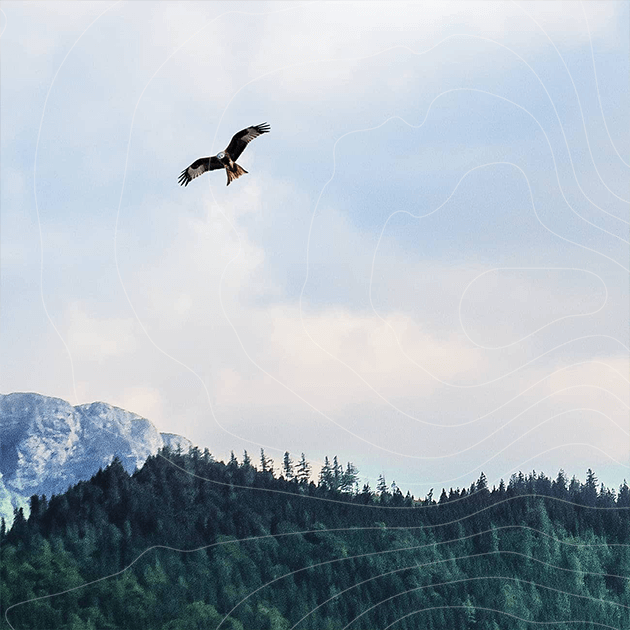
Red kite (Milan Royal) bird protection
In partnership with the French league for the protection of birds (French LPO), volvic supports a program to protect the threatened red kite bird species, by the installation of a feeding station, which is supplied with meat by a Volvic employee to regularly feed red kites. Volvic was awarded by the ministry of the environment with a patronage award for its involvement in the protection of this species.